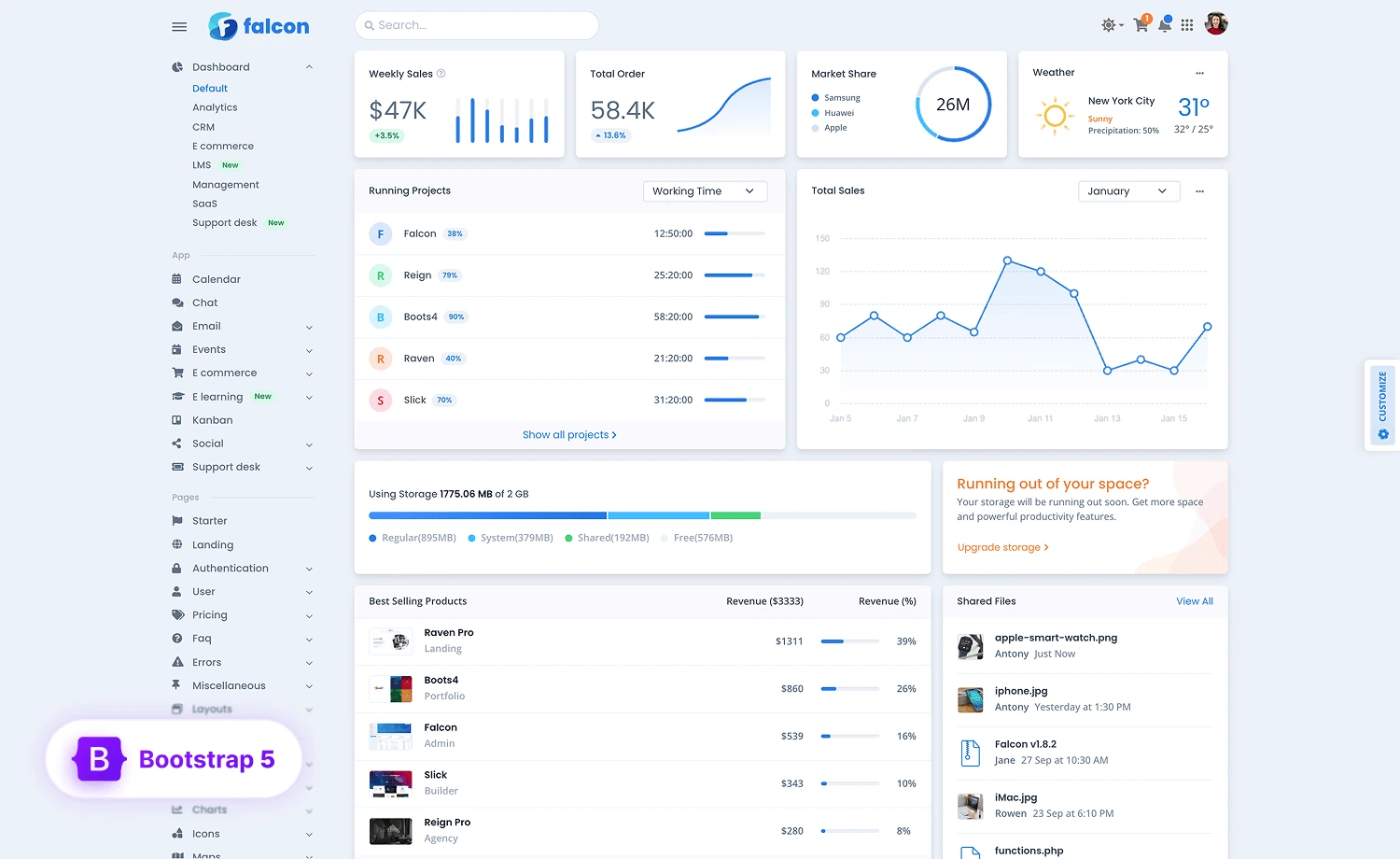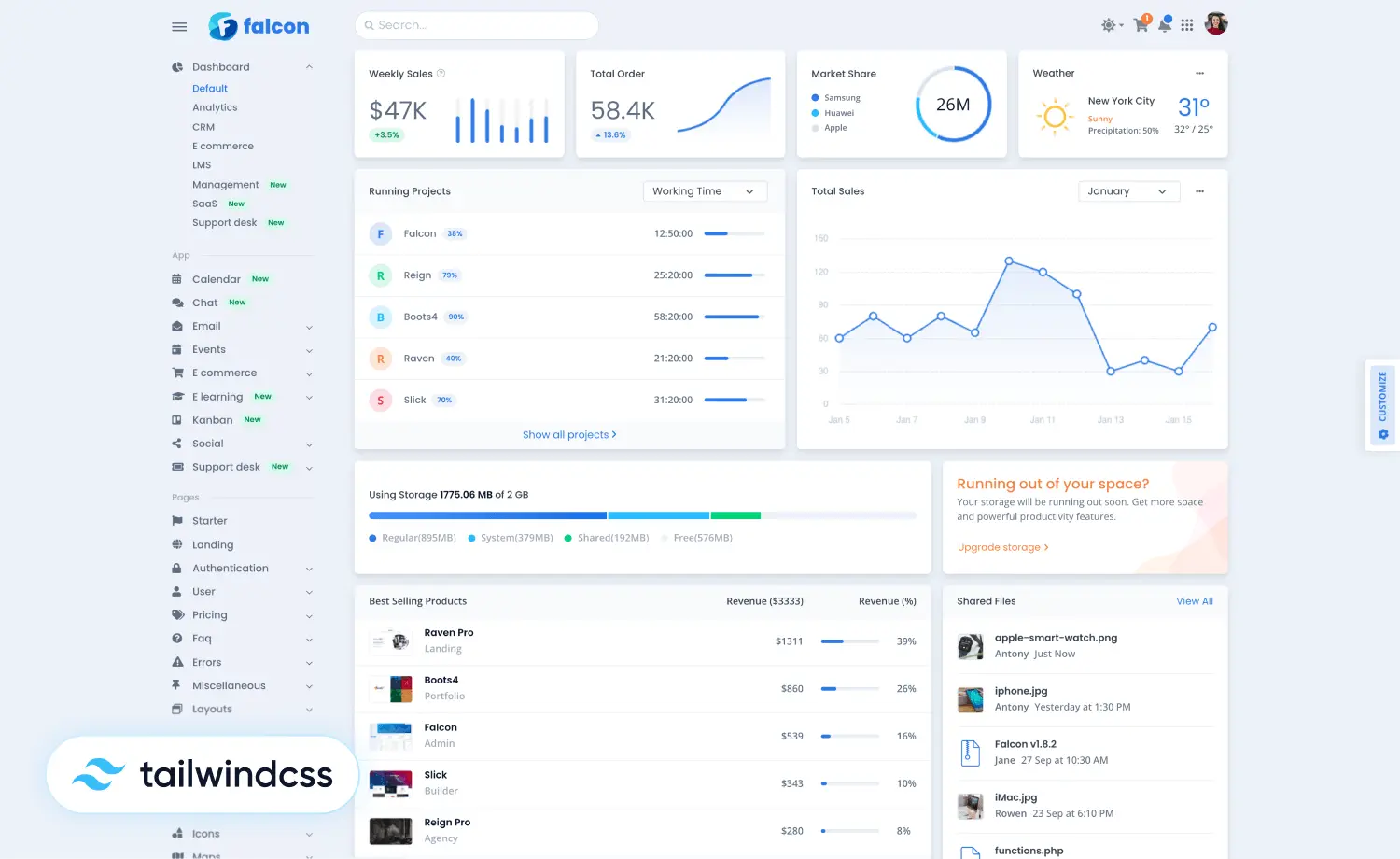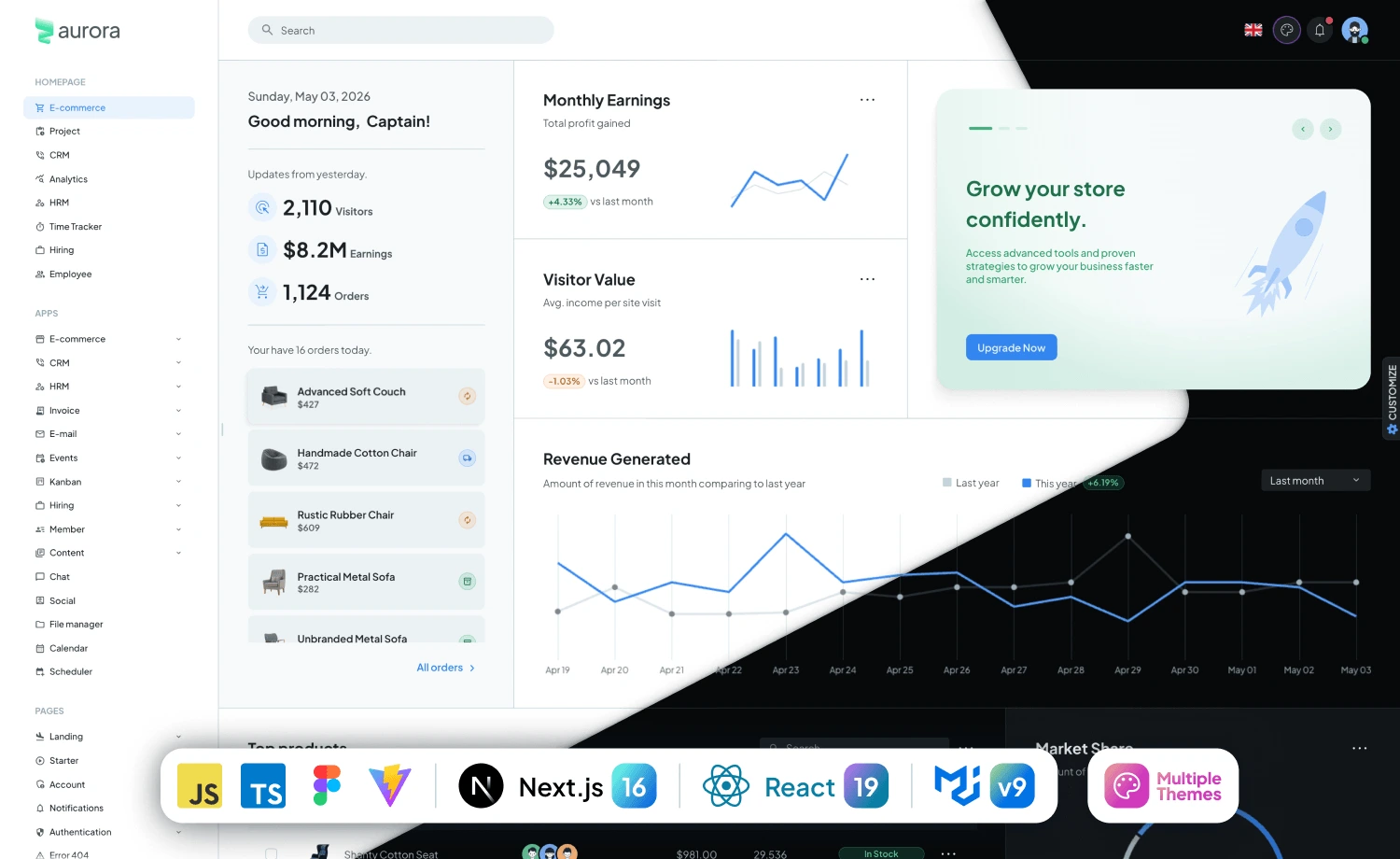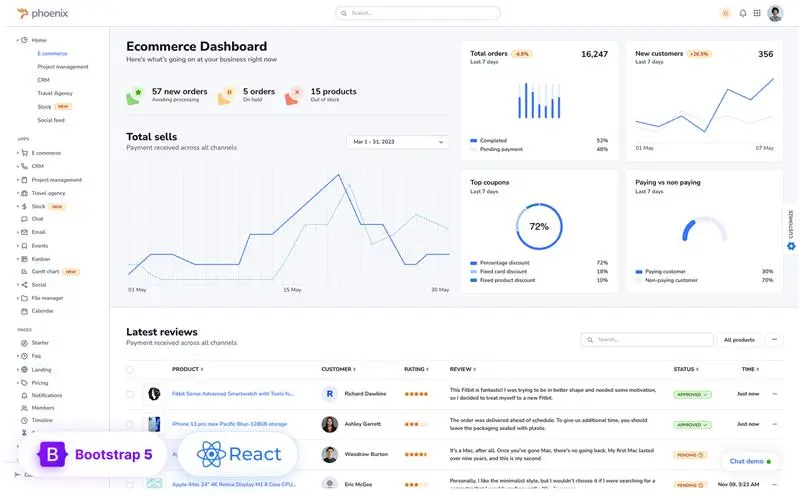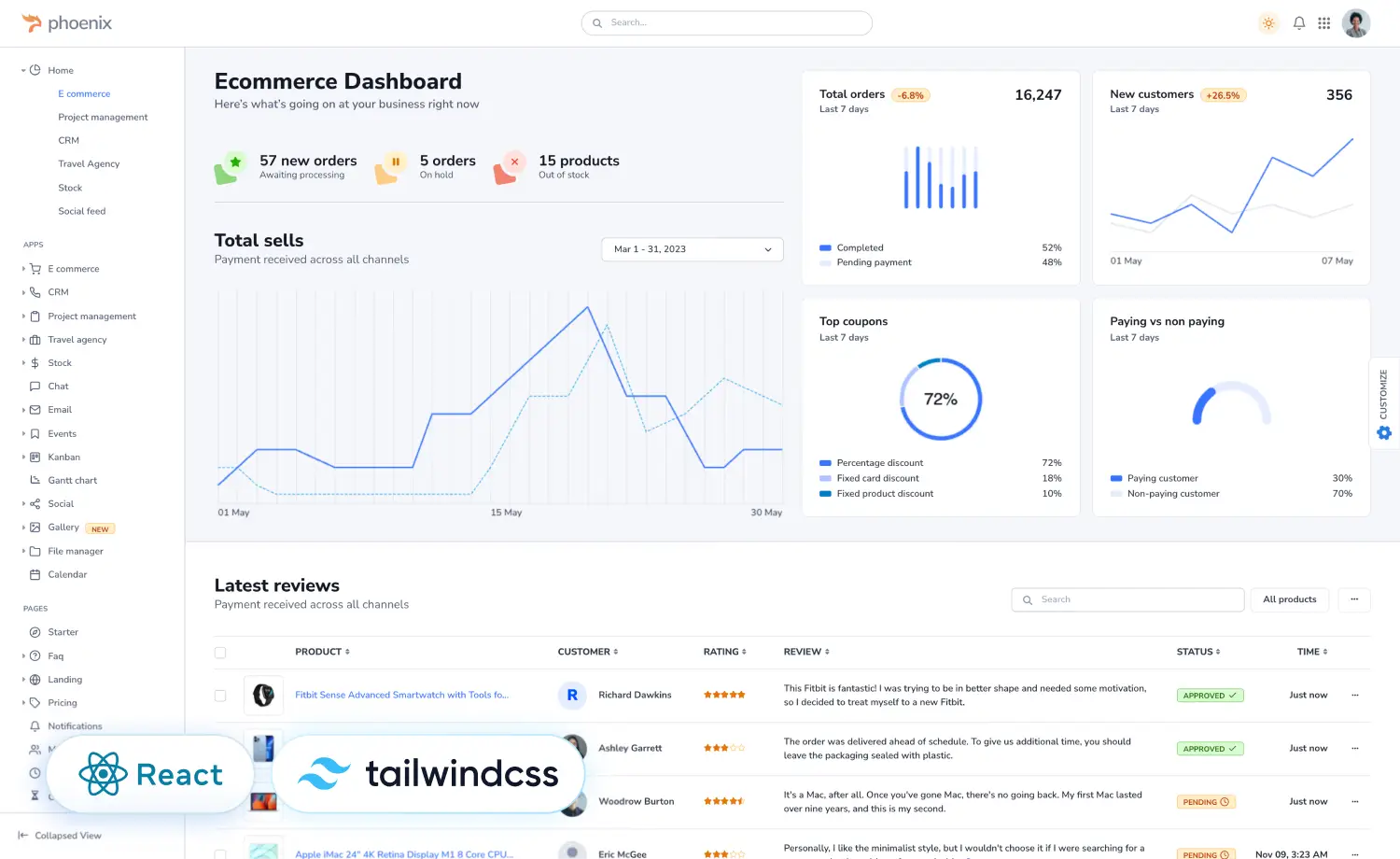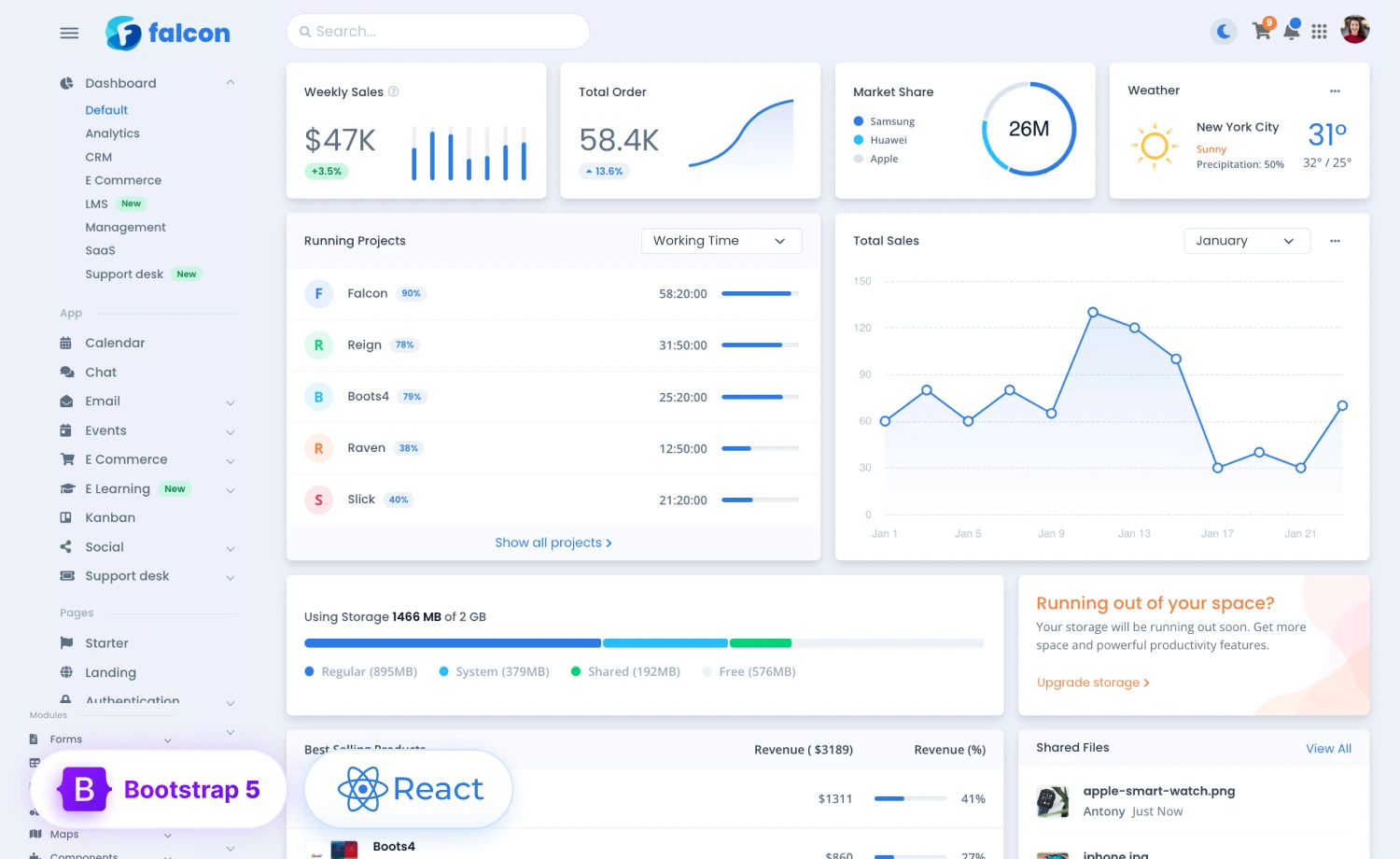
TL;DR
Free templates are great for learning, personal projects, and simple websites, while premium templates offer more components, customization options, documentation, and long-term support. The right choice depends on your project’s scope, timeline, and development needs – not just the budget.
- Free templates are ideal for learning and simple projects.
- Premium templates offer more features and ready-made pages.
- Compare features and long-term value, not just the price.
- Better customization, support, and updates make premium templates easier to maintain.
Website templates are the go-to starting point for modern web projects. Instead of building every page from scratch, developers can start with a ready-made foundation and focus on the parts that actually make their product unique.
But once you start looking, one question comes up almost immediately – free or premium?
It seems like a small decision, but it shapes everything that follows your timeline, budget, and how much work lands on your plate later.
In this article, we’ll compare free vs. premium templates in terms of design quality, components, configuration options, and support. By the end, you’ll have a clear picture of which one fits your project.
Free vs. Premium Templates: Looking Beyond Price
The choice between free vs. premium website templates isn’t just about how much you spend. It’s about the quality, flexibility, and resources each one provides. Before diving in further, here’s a quick comparison of the areas where they differ most.
| Aspects | Free Templates | Premium Templates |
| Design Quality | Functional & simple | Polished & consistent |
| Components | Core pages | Extensive library |
| Customization | Basic | Extensive |
| Source Files | Essential files | SCSS, design files, layouts |
| Documentation | Basic | Comprehensive & structured |
| Support & Maintenance | Community-driven, updates vary | Dedicated support & regular updates |

Design & User Experience
Design is usually where the gap becomes obvious first.
- Overall design quality: Premium templates often go through structured design cycles. Free ones vary a lot. Some look clean, others feel dated.
- UI consistency: Premium templates usually maintain consistent spacing, typography, and color usage across every page. Free templates can be less consistent because they’re built by different contributors over time.
- Layout variety: Premium options often include multiple layout styles for the same page type. Free templates may offer just one.
- Professional appearance: If you’re presenting to a client or launching a business site, premium templates can give you a polished first impression right out of the box.
Customization & Included Resources
Customization is one of the biggest differences between free and premium website templates. While both offer features for building a functional website, the level of flexibility you get behind the scenes differs.
For free templates, customization is usually limited to editing the existing HTML and CSS. Design source files, multiple layouts, or advanced theme settings are rarely included in the free website templates. So, even small design changes may require extra work.
Premium templates typically include additional resources such as SCSS/SASS files, design source files (Figma, Sketch, etc.), multiple layouts, and built-in theme options. These assets make it easier to adapt the template to your brand and workflow without having to rebuild large parts of the UI.
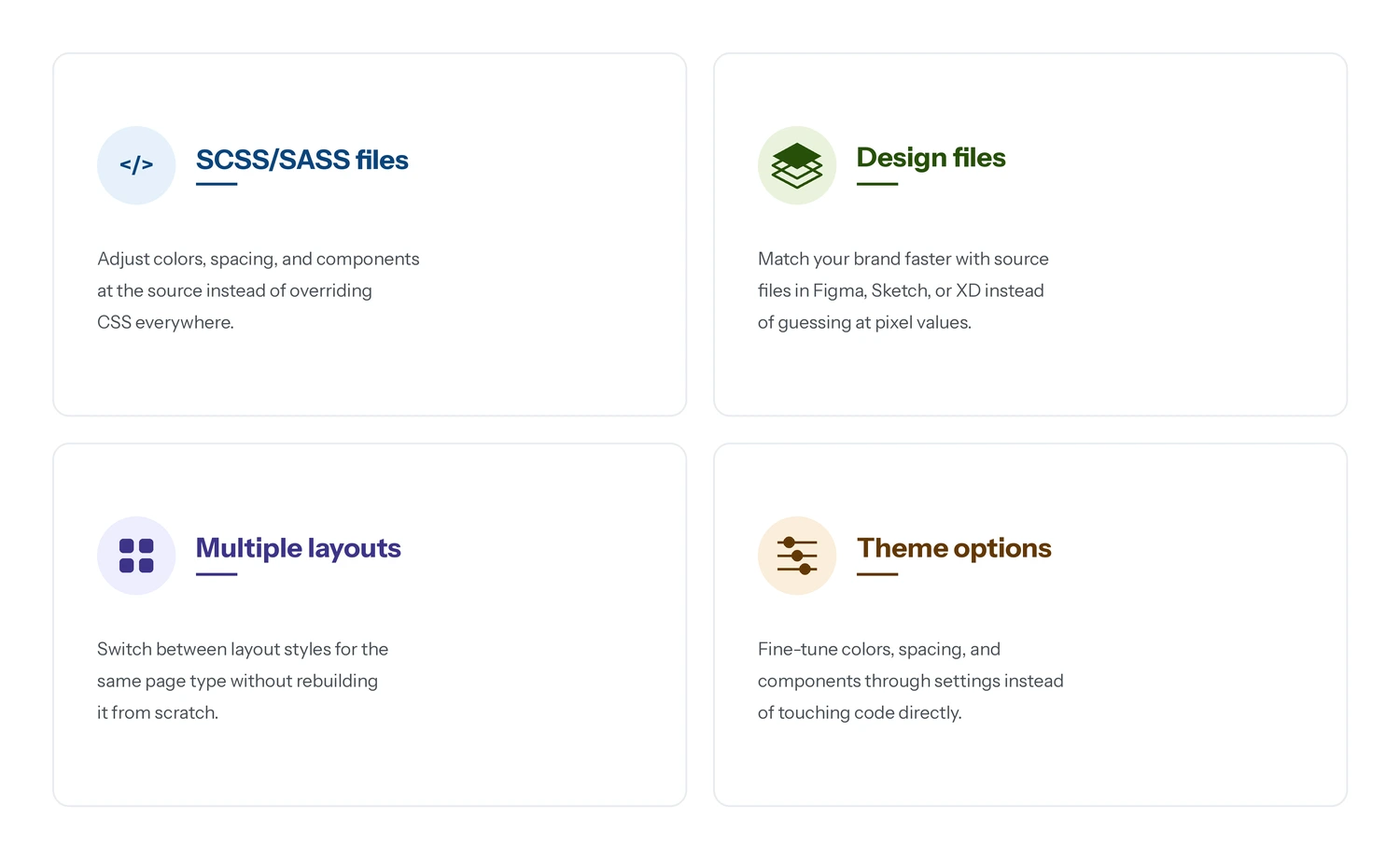
The difference may not be noticeable for a simple landing page. But for client work or larger projects, these extra resources can make customization smoother, more consistent, and easier to maintain over time.
Components & Ready-to-Use Pages
This is where premium templates often stand out in day-to-day usefulness.
| Feature | Free | Premium |
|---|---|---|
| Dashboard Pages | Basic | Multiple variants |
| Authentication | Sometimes | Yes, with multiple flows |
| Landing Pages | Rare | Included |
| E-commerce Pages | Rare | Included |
| Charts | Basic or none | Multiple chart libraries |
| Advanced Tables | Rare | Included |
Built-in pages and components save you from having to build the same login screen or dashboard layout over and over. That’s development time you get back for actual product work.
Documentation & Support
A polished UI helps you get started, but documentation, support, and updates determine how easy the template is to work with over time.
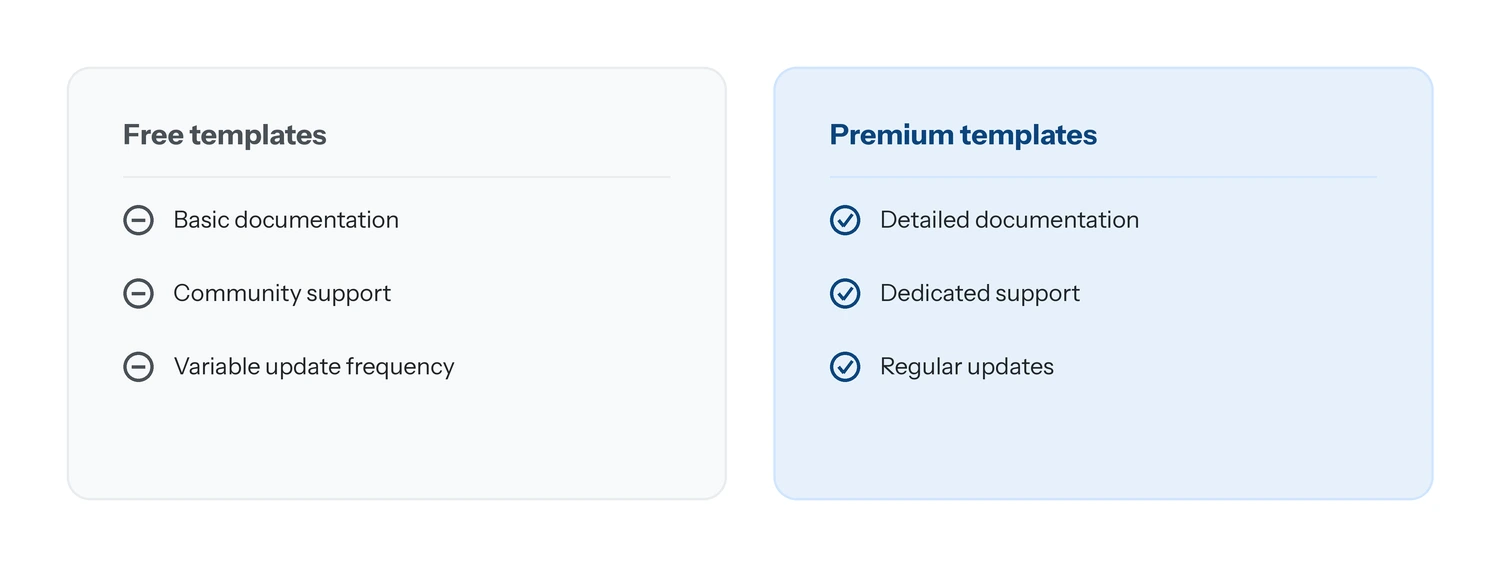
Free templates usually offer minimal documentation, and customization guidance is often limited or unavailable. Updates also depend on whether the project is actively maintained.
Premium templates typically include structured documentation, dedicated support, and regular updates. Together, these make it easier to troubleshoot issues, onboard teammates, and keep your project aligned with the latest technologies.
Moreover, the difference isn’t just about getting help faster. It’s about reducing maintenance effort throughout your project’s lifecycle.
Choosing the Right Template
There’s no universal winner here. The better choice depends on your project’s scope, budget, timeline, and how much flexibility you’ll need as it grows.
| Choose a Free Template If | Choose a Premium Template If |
| ✓ You’re learning web development. ✓ You’re building a personal website. ✓ Your project has basic requirements. ✓ Budget is your highest priority. | ✓ You want faster development. ✓ Building client or business projects. ✓ Need advanced features out of the box. ✓ Long-term support and updates matter |
Every project starts with a different set of priorities. Some need a quick, budget-friendly foundation, while others benefit from a more complete toolkit from day one. Instead of asking “Which template is better?“, ask “Which template fits my project?” Once you’re clear on those priorities, the right choice becomes much clearer.
Need assistance meeting your project deadline?
 With 12+ years of experience in website templates, we take on-demand projects and deliver duly for utmost customer satisfaction. Our team is experienced in contractual front-end development (React/Vue), back-end development (Laravel/Node.js), UX/UI design, search engine optimization (SEO), and more.
Mail to: [email protected] to get a quote.
FAQs
What’s the difference between free and open-source website templates?
Not all free templates are open source. A template can be free to download but still have restrictions on modification, redistribution, or commercial use. Open-source templates are typically released under licenses that explicitly define your rights to use, modify, and distribute the code.
Do free or premium website templates speed up development?
Both can speed up development compared to building from scratch, but premium templates usually provide a greater time-saving advantage. They often include advanced, reusable components, multiple layouts, and better documentation, allowing developers to focus on project-specific features instead of rebuilding common UI elements.
How to choose between a free and a premium website template?
Start by evaluating your project’s goals, budget, timeline, and customization requirements. Free templates are ideal for learning and small projects, while premium templates are better suited for professional websites that need scalability, flexibility, and long-term maintenance.
Are premium admin dashboard templates worth the cost?
For many projects, yes. Premium templates often include better documentation, regular updates, dedicated support, and a broader component library. Those benefits can save significant development time, making them a better long-term investment than a free template.
Do free and premium templates offer the same user experience?
Not always. While many free templates provide a solid user experience, premium templates often include more refined layouts, consistent design systems, and additional UI patterns that improve usability across larger or more complex websites.